EMES Network
Creating structure for a growing international network, allowing multiple initiatives to evolve without losing coherence.
Context
EMES is an international research network focused on the social economy. When we started working together, the organisation was expanding beyond Europe and needed a structure that could support its growing reach.
EMES brought together multiple areas of activity, European Union-funded projects, international events and a distributed research community. Each initiative had its own logic, but all of them needed to feel part of the same organisation.
The issue was not a lack of identity. The existing structure simply no longer reflected what EMES was becoming.
The Challenge
Growth brought greater complexity. EMES needed to give individual projects and areas of activity enough space to develop their own identities without losing coherence across the network or weakening the parent brand.
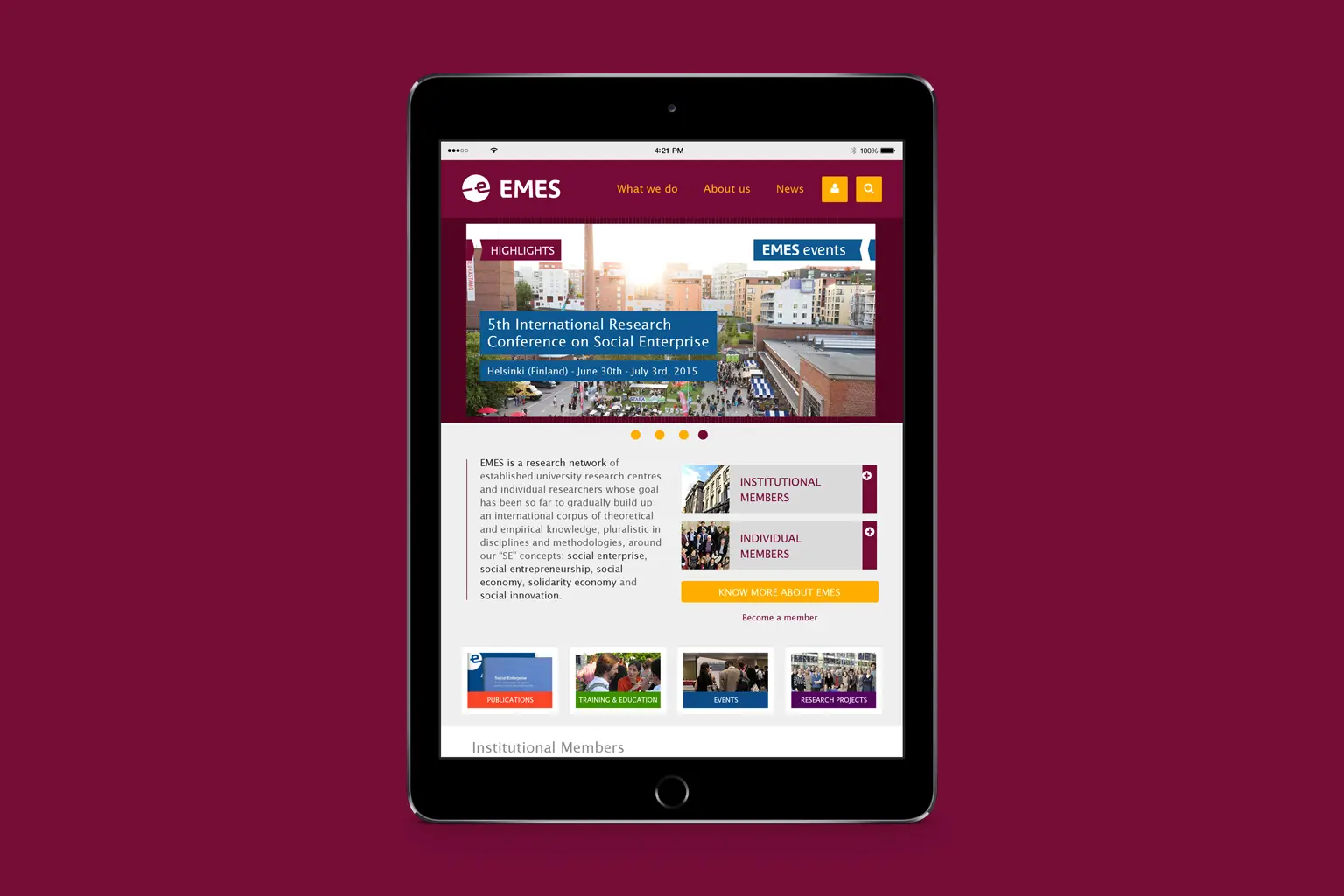
At the same time, its digital platform needed to move beyond a rigid structure and become something that could evolve with the network.
This was not simply a brand and website redesign. It was about creating a shared foundation for an organisation operating at a new scale.
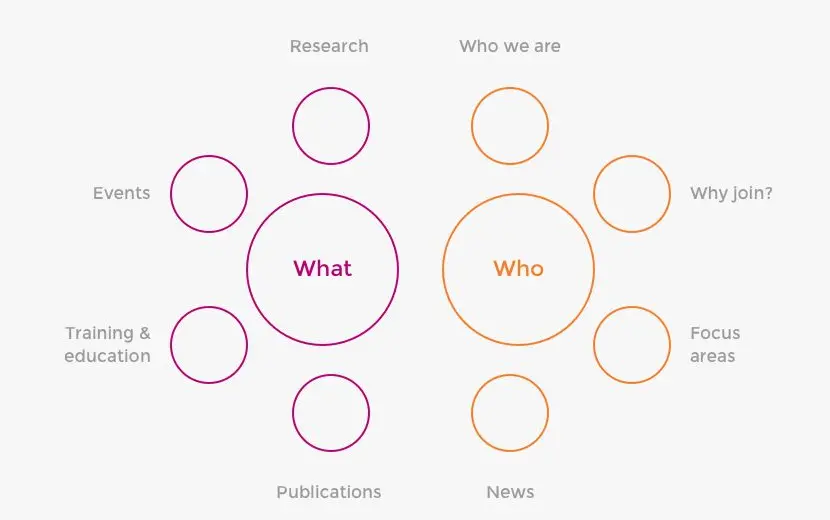
Defining a Brand System
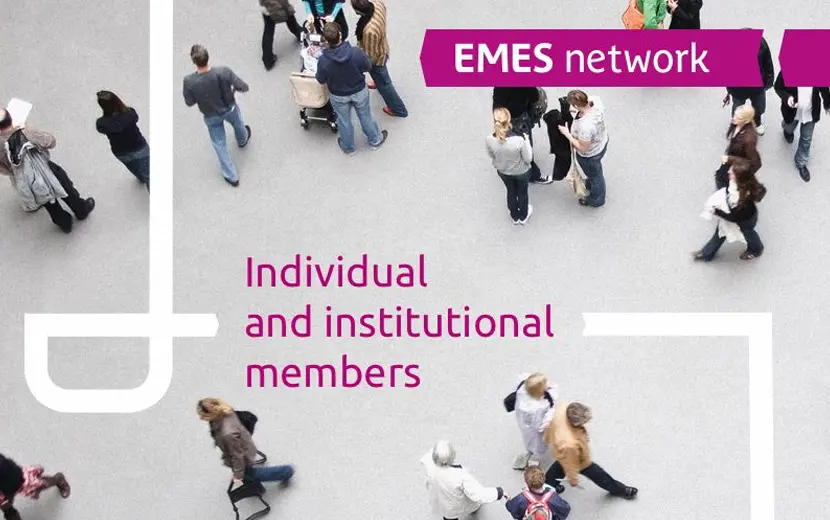
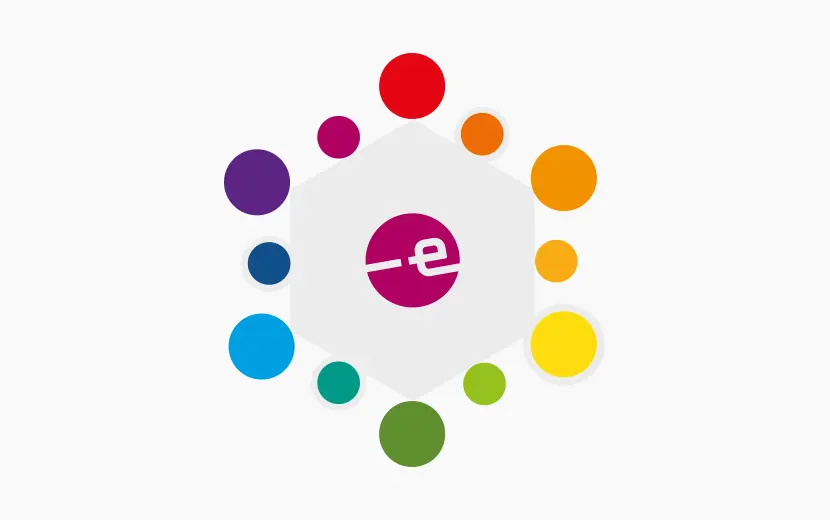
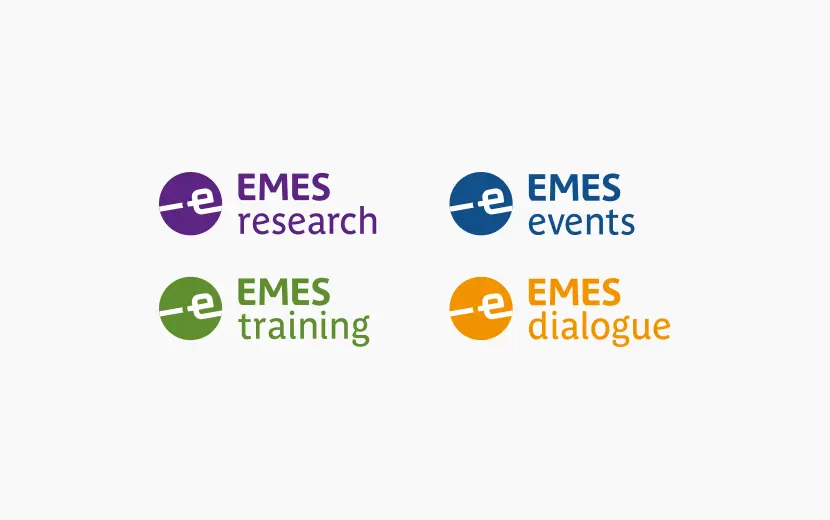
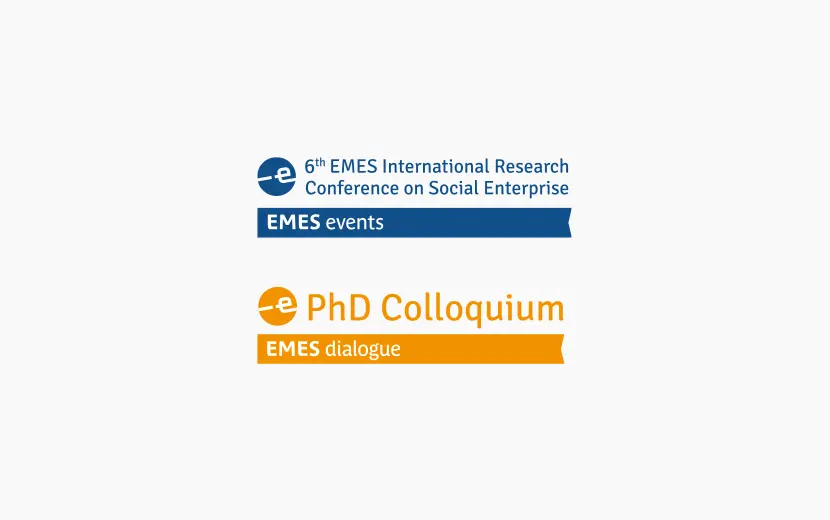
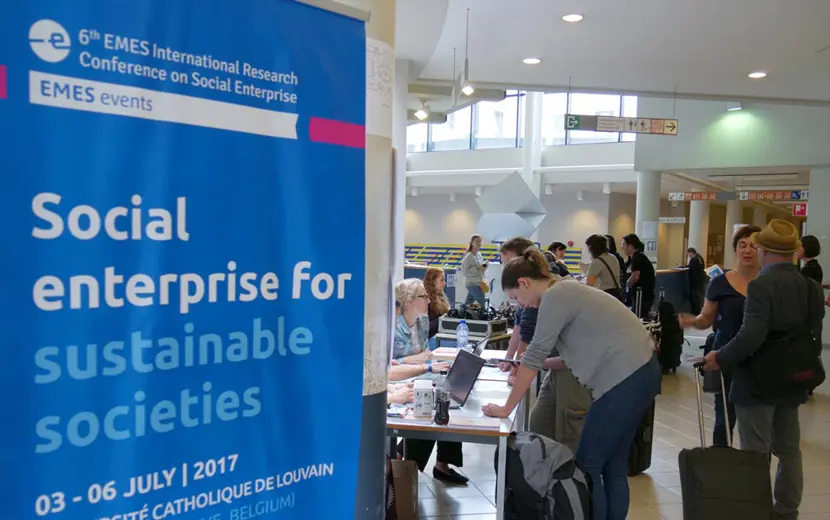
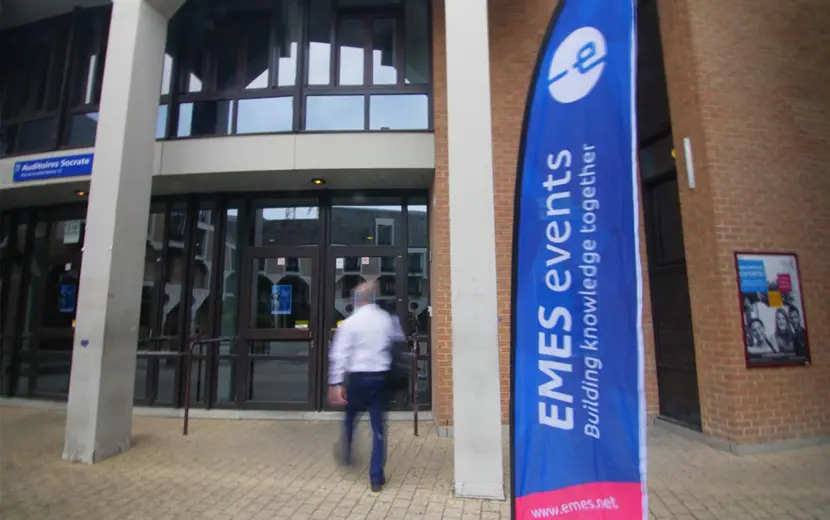
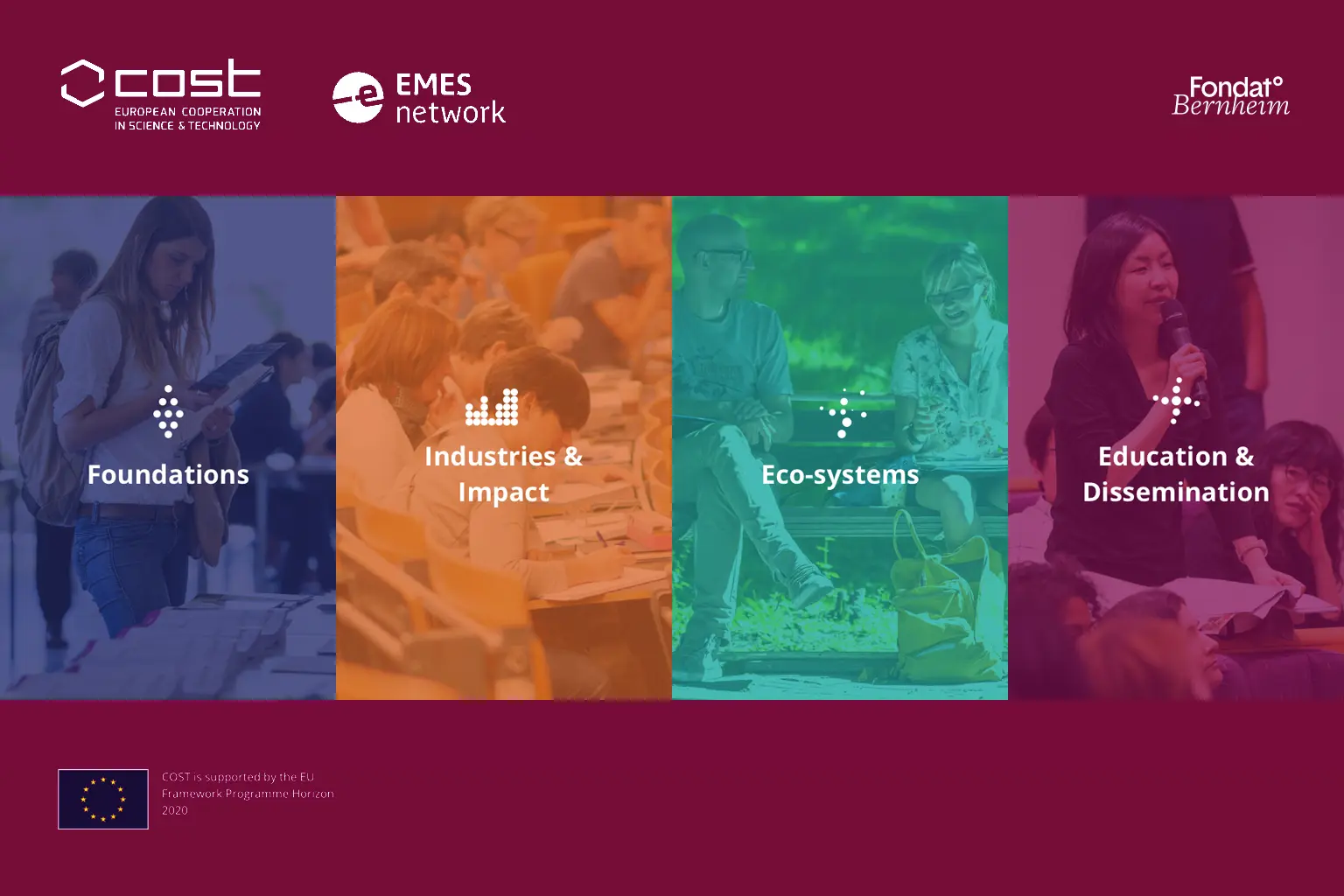
We designed a structure built around a master brand and four clearly differentiated sub-brands, all connected through a shared visual logic. The aim was not to make everything look the same. It was to give each part its own identity while ensuring the whole remained recognisably EMES.
The system had to address the needs of the organisation at the time while leaving room for what came next. New initiatives could be added without having to rethink the entire structure each time.
What this made possible:
- A clear foundation for the brand system to evolve.
- A set of principles that could maintain coherence, flexibility and scalability over time.
Translating the System into a Platform
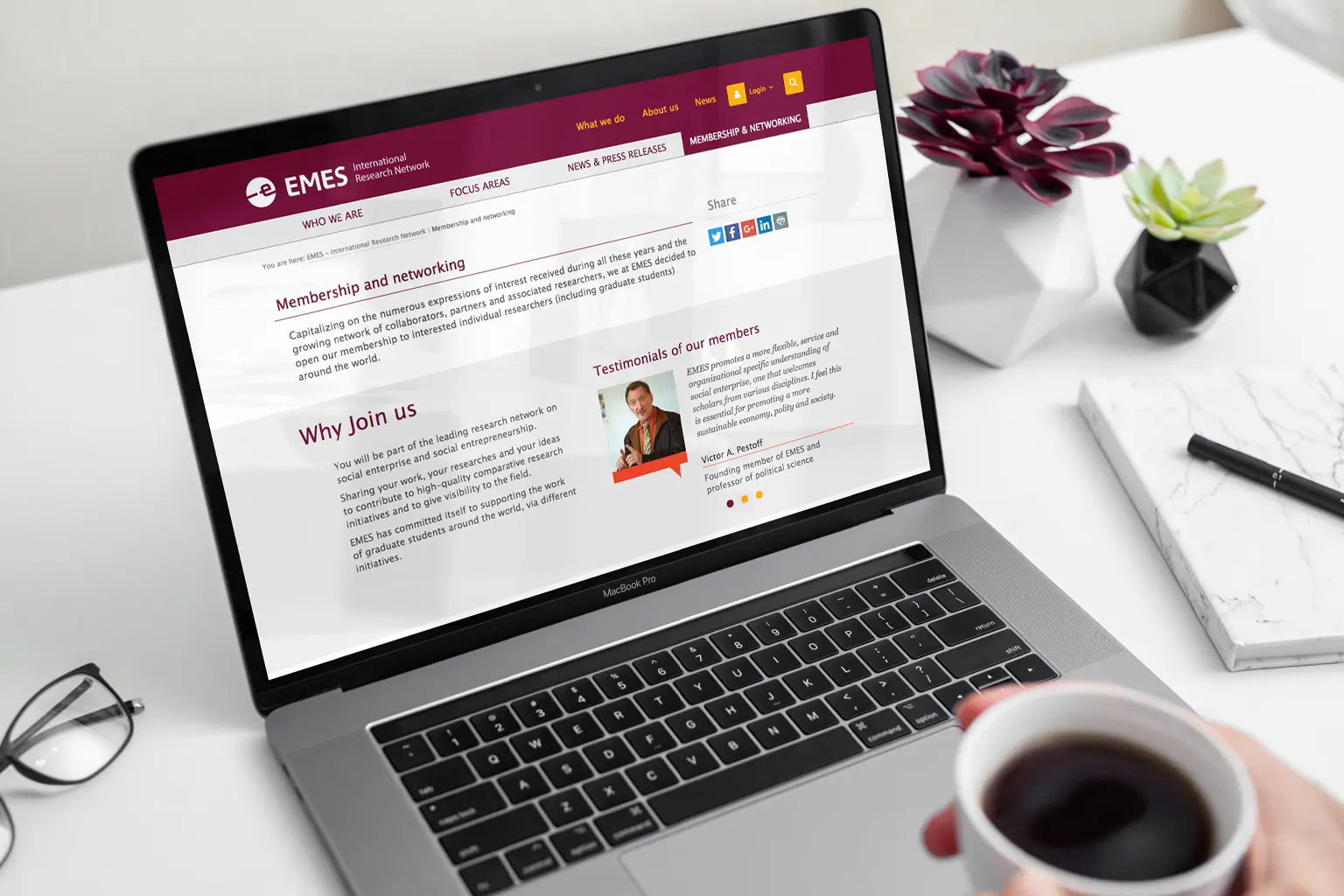
Alongside the brand system, we developed a website that could reflect the same underlying structure. The challenge went beyond visual design. A growing body of research, publications, projects and academic activity needed to be organised in a way that made complexity easier to navigate rather than passing it on to the people using the platform.
Two structural decisions shaped the project:
- Introducing a private area for members, aligned with the network’s community strategy.
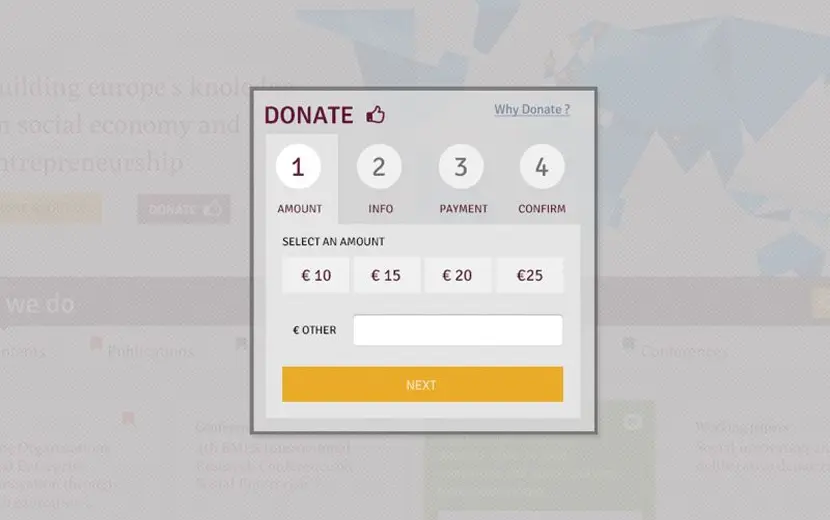
- Integrating donations into access to selected publications.
The platform became an active part of the wider system.
What this made possible:
- A clear information architecture for organising different types of content.
- A consistent, functional experience across devices.
- A production-ready platform that the editorial team could manage independently.
- A technical foundation able to evolve alongside the organisation.
Scaling the Brand Across the Ecosystem
A strong brand foundation gives related initiatives room to develop their own voice without breaking the coherence of the wider system. This approach was extended across a number of initiatives connected to EMES:
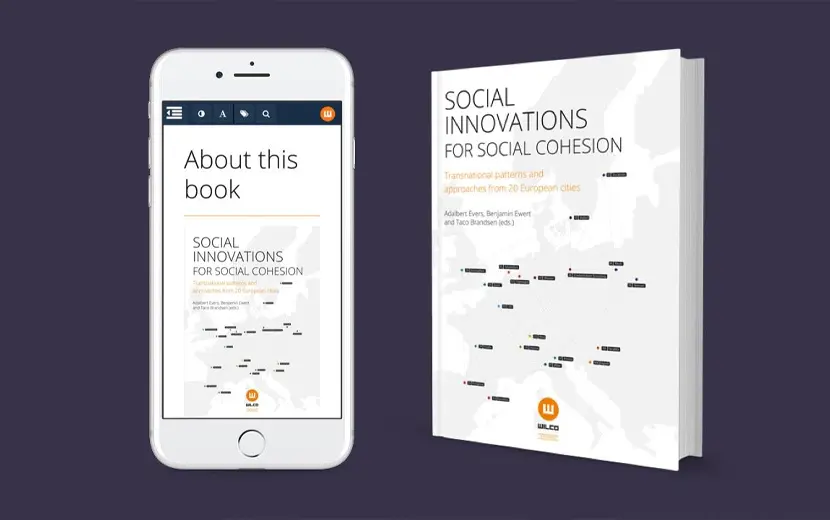
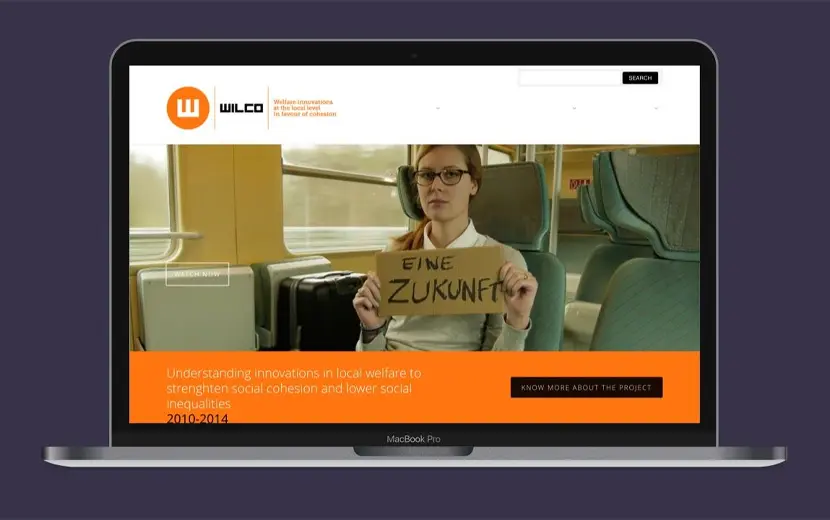
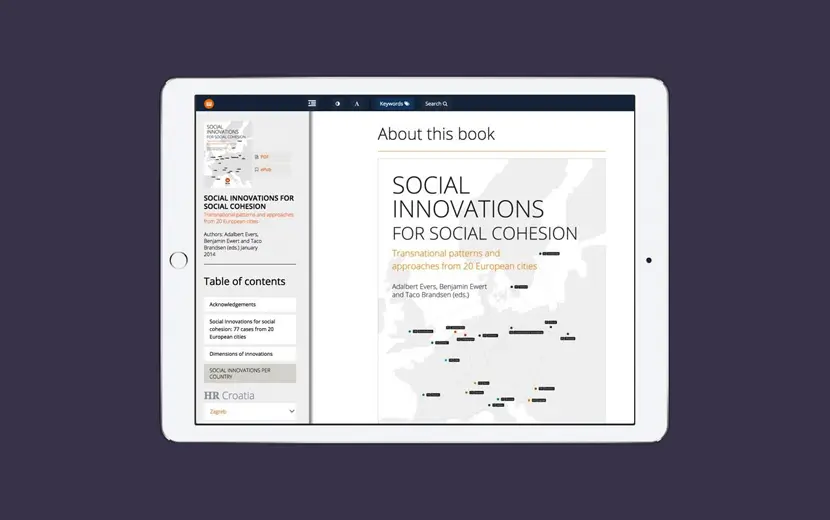
- Wilco Project: innovation in local welfare and the reduction of social inequalities.
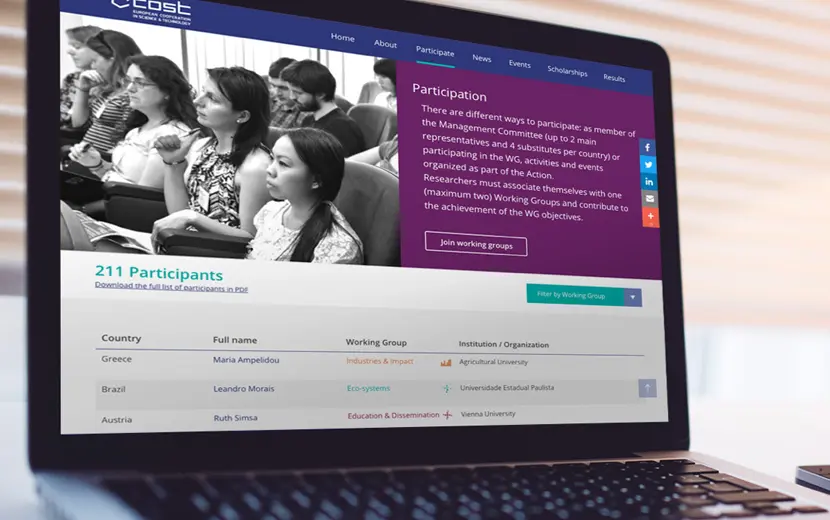
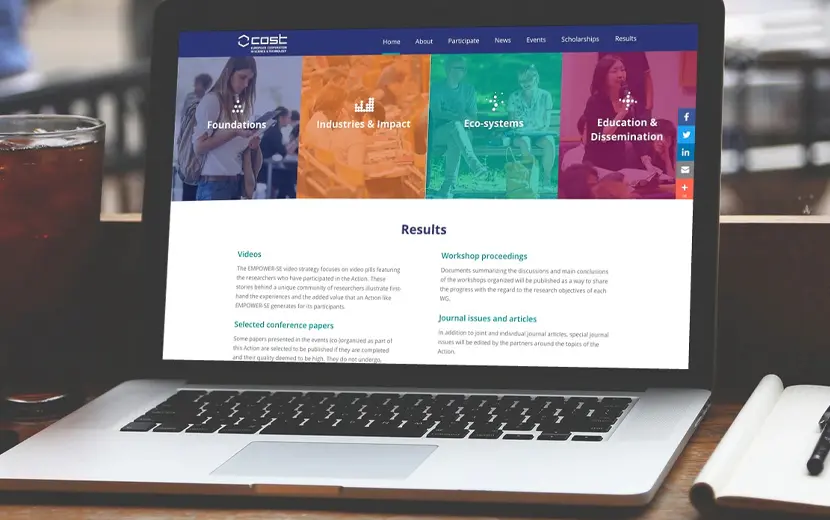
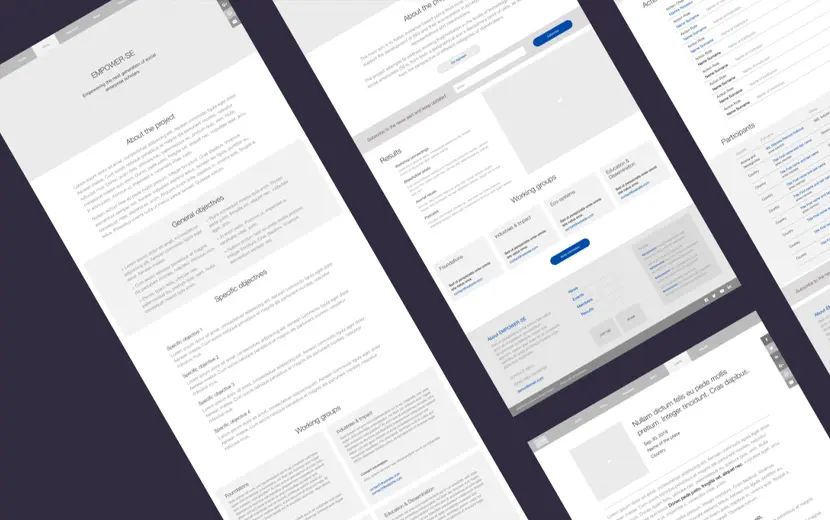
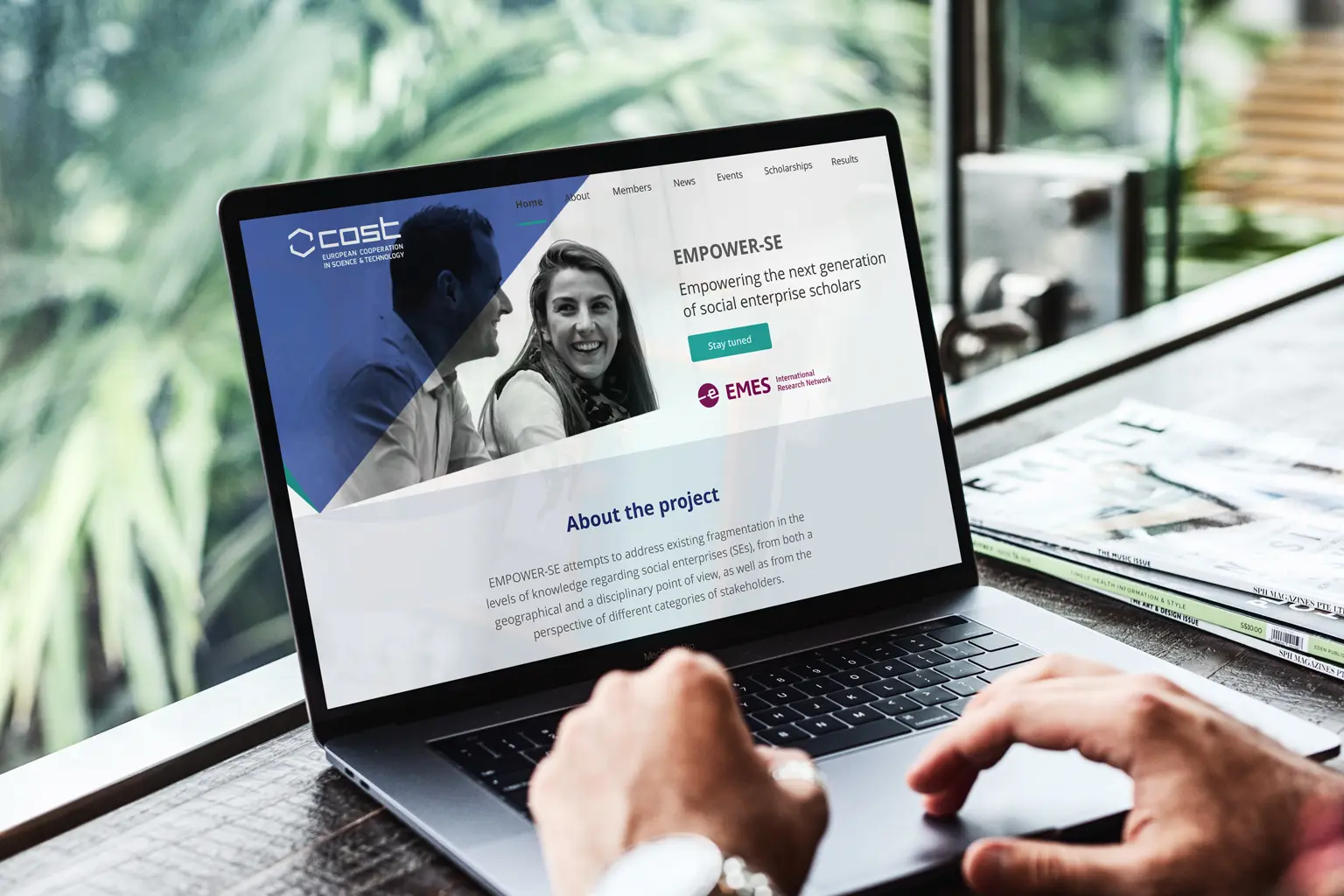
- Empower-SE: supporting social economy researchers in emerging contexts.
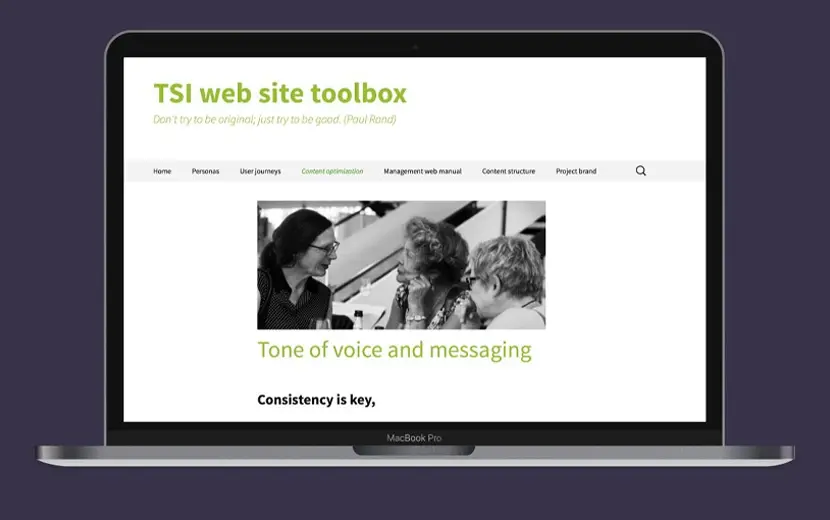
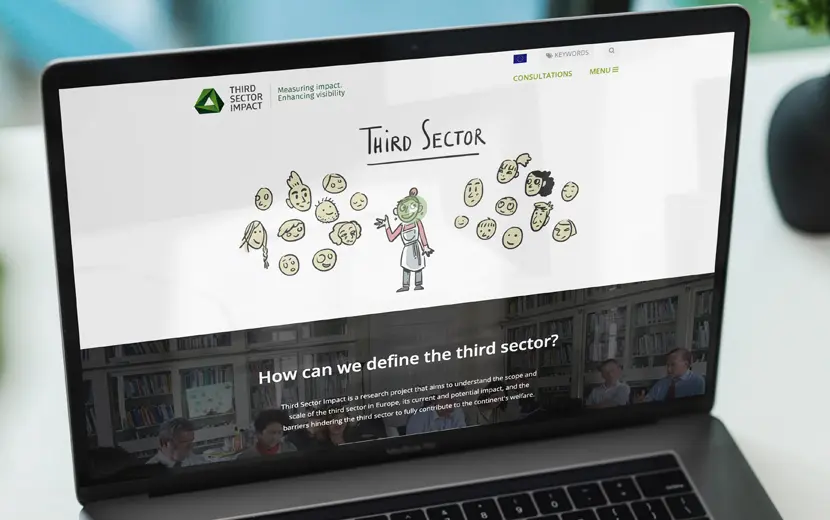
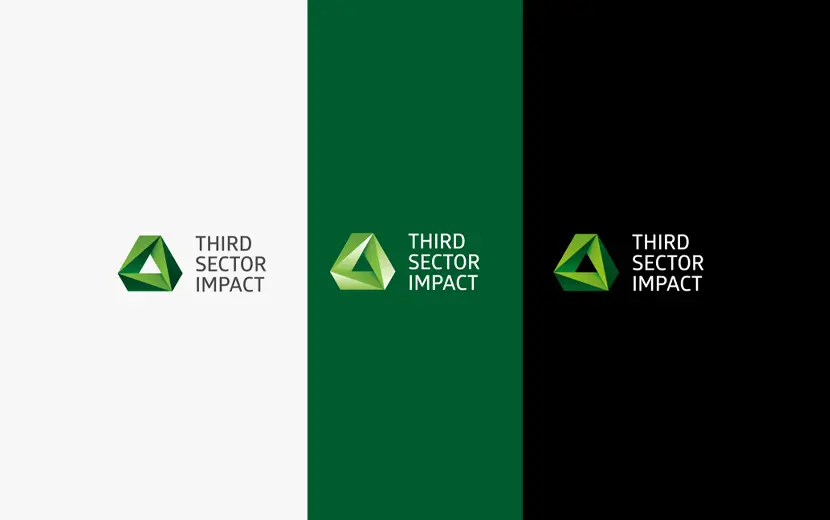
- Third Sector Impact: measuring the impact of the third sector across Europe.
Each project had its own identity, platform and context, while remaining grounded in the same underlying principles.
What this made possible:
- Adapting structure and content to different academic contexts.
- Maintaining visual coherence without restricting the identity of individual projects.
- Launching independent digital platforms within a shared framework.
What Changed
EMES moved from having an identity to having a system designed to support its growth.
A system that allowed the organisation to:
- Expand its reach without losing a recognisable identity.
- Launch new initiatives without starting from scratch.
- Bring new projects into the network while maintaining coherence.
- Communicate with different audiences without fragmenting the organisation.
- Evolve its platform as new needs emerged.
Years later, the identity remains relevant and the platform has continued to evolve alongside the organisation.
Design was not simply a visual layer. It became part of the structure that allowed EMES to operate at a new scale.
Contact
For projects
Live or upcoming digital products. When there are decisions to make about product, experience, or brand, we fit.
Collaborations
We work with a trusted network of specialists. If you share our way of thinking, we would be glad to meet you.