Fred. Olsen
Redesigning a critical sales tool used every day by travel agencies and call centres, without disrupting the workflows that already worked.
Context
Fred. Olsen is a ferry company with a strong presence in the Canary Islands.
Its ticket sales tool, used daily by travel agencies and call centres, worked. But it created friction.
This was not an aesthetic problem.
It was an efficiency problem, in an environment where every second counts and every error has a real impact.
The Challenge
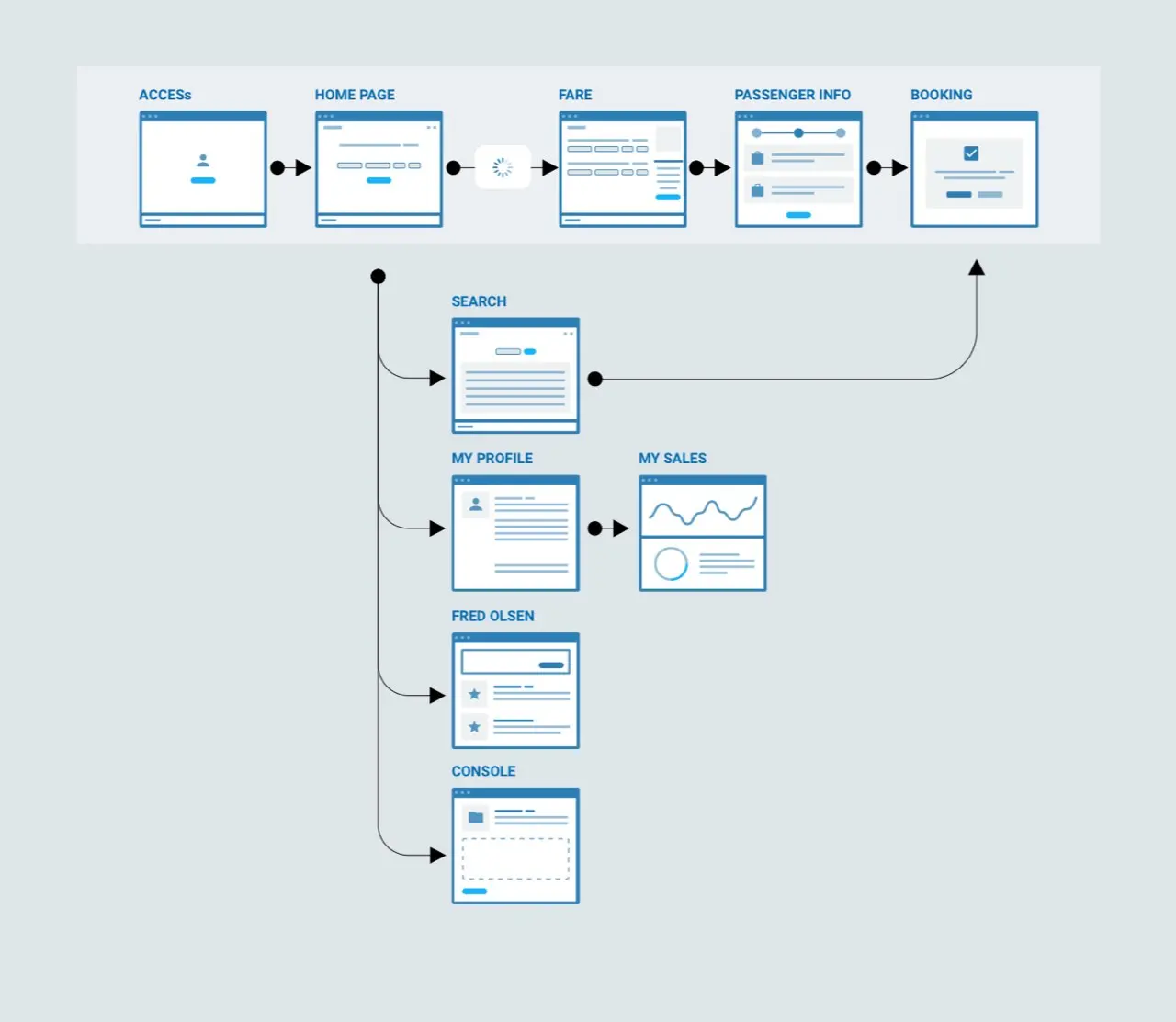
The tool had to serve two very different types of users.
On one side, experienced agents used to console-like interfaces: fast, dense and highly efficient.
On the other, less technical users who needed greater visual clarity and more guided navigation.
Any decision that favoured one group risked compromising the experience for the other.
The goal was not to redesign the interface for the sake of it.
It was to find a balance that improved the experience without breaking what already worked.
Understanding How the System Really Worked
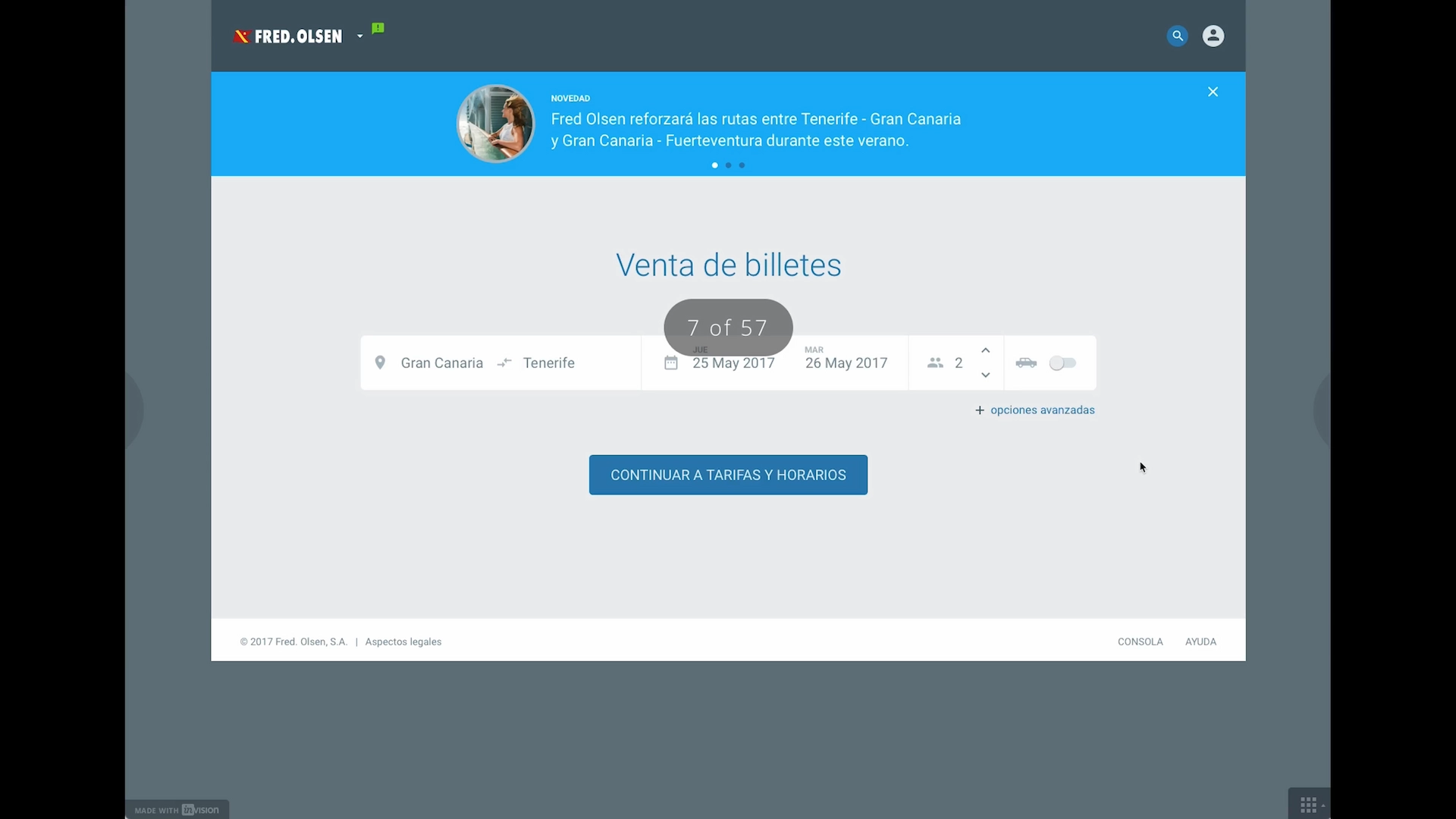
Before changing anything, we needed to understand how people actually used the tool every day.
We observed real workflows, analysed behaviour and worked with internal teams to identify where friction appeared.
This was not about validating pre-existing assumptions.
It was about identifying which design decisions could remove problems without creating new ones.
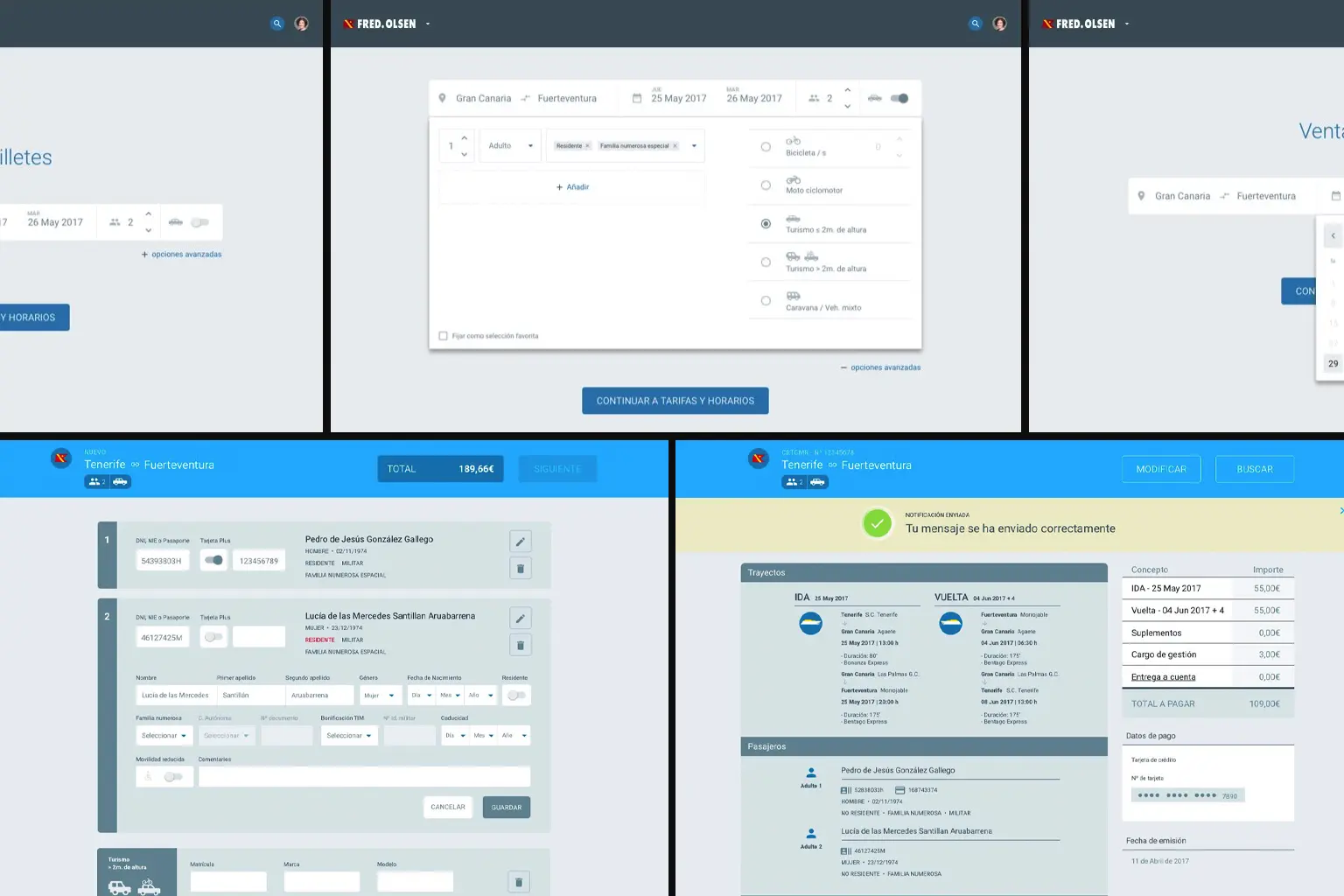
The result was a hybrid, adaptable proposal: an interface capable of supporting different levels of expertise without changing the underlying logic of use.
This phase helped us:
- Identify where efficiency was being lost in daily use.
- Align design decisions with the teams responsible for operations.
- Validate a solution that did not interfere with existing workflows.
Designing a System That Could Hold Up Over Time
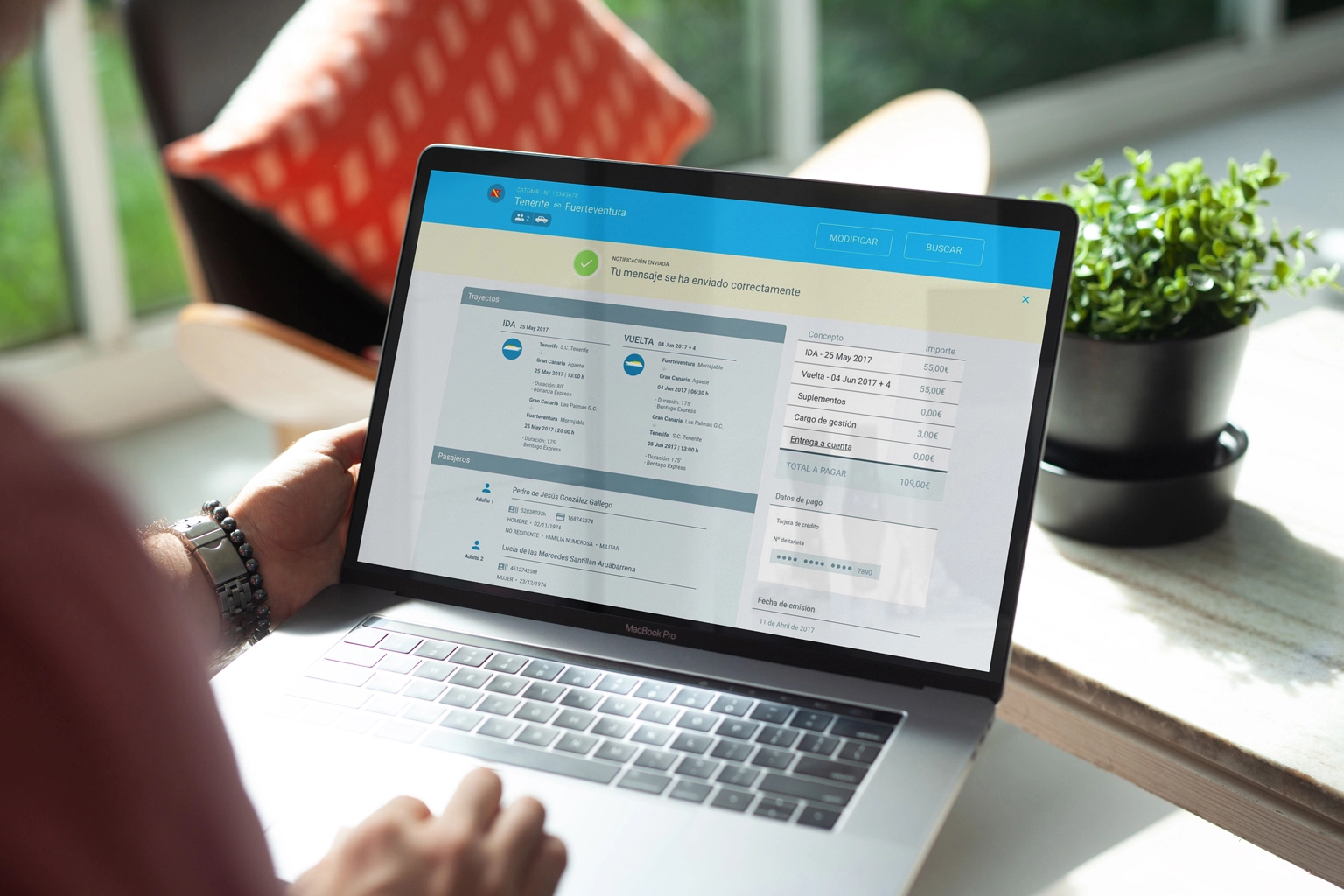
Once the proposal was validated, we built the foundation for implementation.
The work went beyond redesigned screens.
It was about defining a structure that could be maintained and evolve within the client’s technical environment.
The priority was not visual polish.
It was making sure the system could operate independently over time.
This phase helped us:
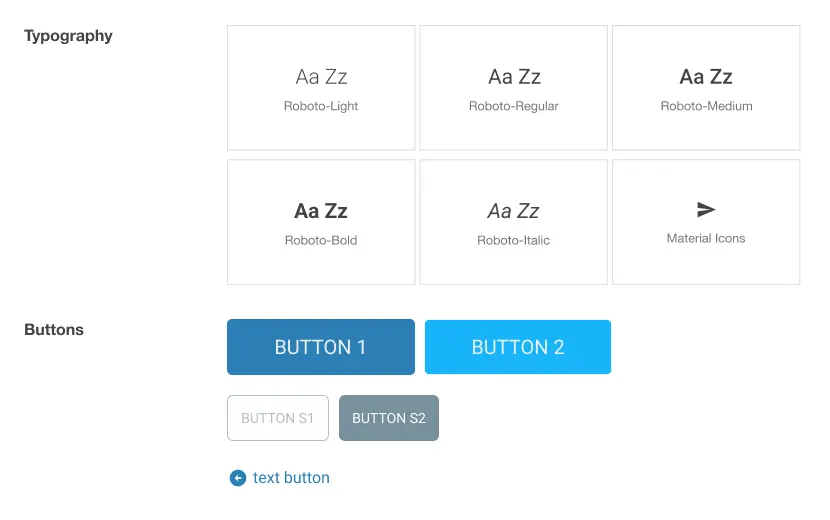
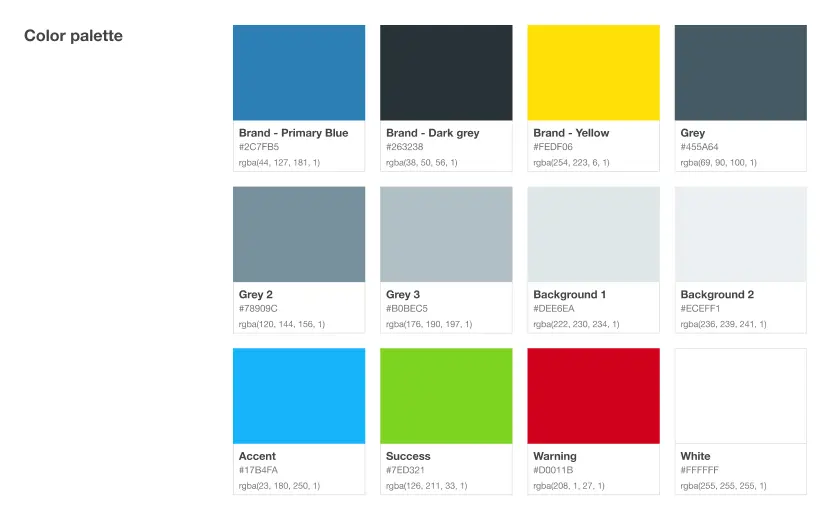
- Build a reusable foundation ready for implementation.
- Ensure consistency across critical booking flows.
A Note on the Outcome
The project was not fully implemented at the time.
That is part of the reality of working with this kind of business-critical tool: the impact of design also depends on the conditions around implementation.
What remained was a solid, documented foundation, ready to be activated when the context allowed it.
When design is properly grounded, its value lasts and can be deployed when the moment is right.
Contact
For projects
Live or upcoming digital products. When there are decisions to make about product, experience, or brand, we fit.
Collaborations
We work with a trusted network of specialists. If you share our way of thinking, we would be glad to meet you.